Name the material
Thin paper and thick card behave differently. A guide should explain the difference before you cut.
Independent guides / Materials first
Useful, attractive results should not depend on a cupboard full of specialist equipment.
quirkpartyreeradr.hair is an independent information website about DIY crafts, creative hobbies and small home-decoration projects. It is for beginners who would rather understand one reliable technique than collect another kit.
The starting point is simple: look at what you already own, decide what it can reasonably become and make the smallest useful version. A paper tray, a cardboard divider or a fabric bookmark gives you a clear purpose and a manageable finish line.
This site does not sell materials or use affiliate links. Named institutions, traditions and products are references, not endorsements. The site is not affiliated with the museums, organisations or manufacturers mentioned in its guides.
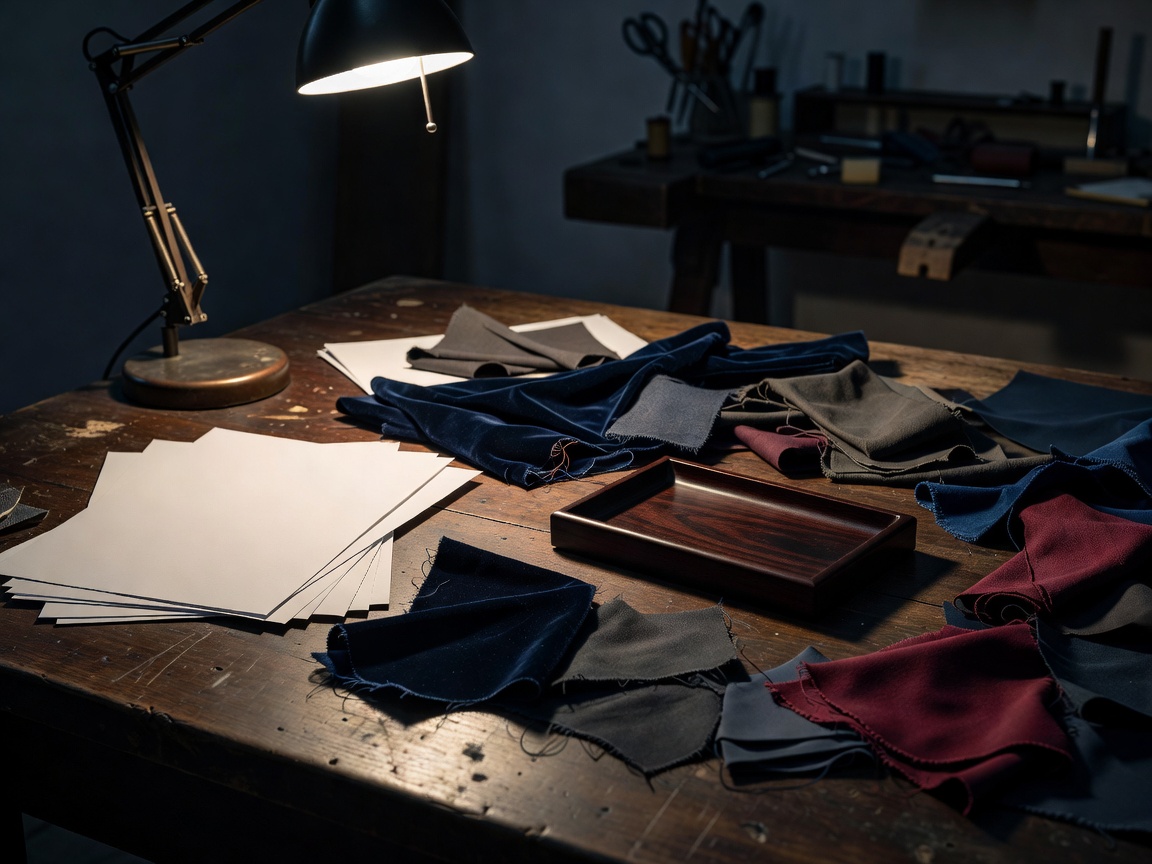
Thin paper and thick card behave differently. A guide should explain the difference before you cut.
A folding corner, a tight slot or a fraying edge deserves more attention than a perfect finished photograph.
Drying, checking and cleaning up are part of making. They are not optional steps after the “real” project.
Instructions favour common tools, small material quantities and reversible decisions. When a technique needs a sharp blade, heat or specialist knowledge, the guide should say so rather than treating the hazard as routine. These projects are not substitutes for product labels or an adult’s judgement about supervision.
Budget guidance avoids fixed prices because costs vary by location and by what is already in your drawer. The useful question is not “What is the cheapest kit?” but “Which missing item prevents me from completing this project?” Often the answer is a little suitable glue, a needle or a ruler.
Photographs illustrate materials and processes; they are not measurements or guarantees of identical results. The written steps carry the essential instructions. Expect your paper thickness, fabric texture and available space to change the final appearance.
Origami and kirigami offer ways to think about folds and cuts. Sashiko and embroidery show how a repeated stitch can be both useful and decorative. Furoshiki demonstrates the value of reusable wrapping. These traditions have histories beyond a beginner project; a short guide should not flatten them into interchangeable styling labels.
For broader context, the Victoria and Albert Museum, Crafts Council and British Origami Society provide established craft and design references. William Morris, the Arts and Crafts movement and the Bauhaus also offer different ways to consider pattern, materials and useful objects. These are starting points for learning, not claims that a simple household project reproduces their work.
If a step seems unclear, include the guide title, the material you used and the stage where you became stuck. If you notice a factual error or a safety omission, describe it directly. Avoid including sensitive personal information in a general craft question.
The contact workbench helps you prepare a message on your own device. It does not submit anything. You choose whether to copy, download or send the finished note through your email app.